We value your privacy
We use cookies to improve your experience, analyze site traffic, and personalize content. By clicking "Accept All" you consent to our use of cookies. You can manage your preferences at any time. Privacy Policy
94% Triage Accuracy. 67% Fewer Unnecessary ER Visits. AI That Protects Workers, and the Bottom Line.
Company Nurse by Lintelo deployed Pypestream to transform occupational injury triage, achieving clinical-grade accuracy, 24/7 availability, and zero HIPAA incidents.
When a worker is injured, every minute matters.
Company Nurse by Lintelo is the leading occupational injury triage service in the US, serving thousands of employers and millions of workers. When a worker is injured on the job, they call Company Nurse to determine the appropriate level of care, emergency room, urgent care clinic, or home treatment.
The triage decision matters enormously. An unnecessary ER visit costs an employer $2,000-$5,000. A missed serious injury creates clinical risk and legal exposure. Company Nurse's registered nurses were delivering excellent outcomes, but the volume of calls was growing, and 24/7 coverage was expensive and operationally challenging.
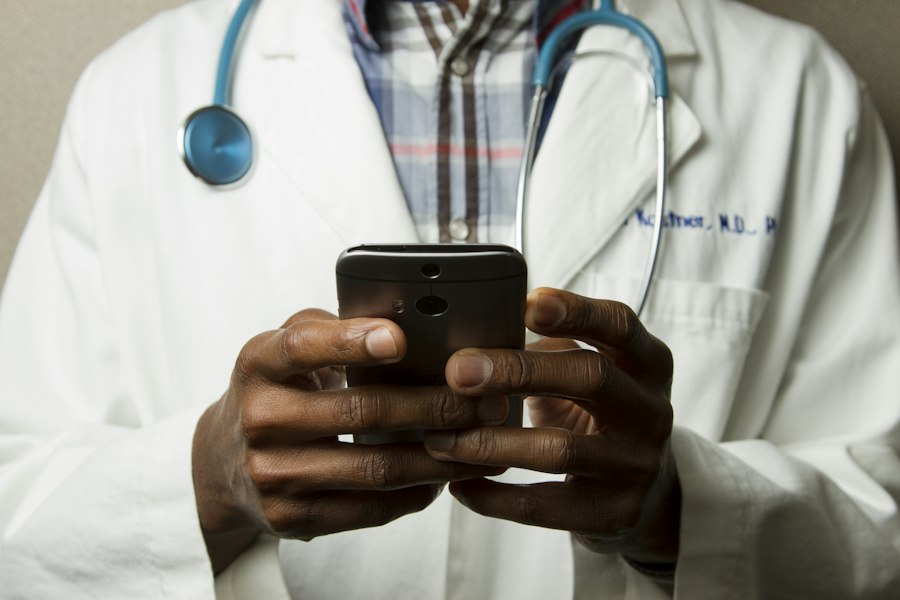
Company Nurse serves thousands of employers and millions of workers across the US.
The question wasn't whether AI could help, it was whether AI could meet the clinical standard. Company Nurse's leadership was clear: the AI needed to match the accuracy of a registered nurse, or it wasn't going to be deployed. Pypestream was the only vendor that accepted that challenge.
Clinical-grade AI requires clinical-grade standards.
Occupational injury triage at scale
Company Nurse handles occupational injury triage for thousands of employers across the US. When a worker is injured, they call Company Nurse to determine whether the injury requires emergency care, a clinic visit, or home treatment. The volume of calls, especially during shift changes and peak industrial periods, was exceeding the capacity of the registered nurse team.
Consistency and accuracy as a regulatory requirement
Occupational health triage isn't just a customer service function, it's a regulated clinical process. Every triage decision needed to be consistent, defensible, and documented. Inconsistency in triage outcomes created both clinical risk and legal exposure for Company Nurse's employer clients.
HIPAA compliance for sensitive health data
Every injury triage interaction involved protected health information. The AI needed to be HIPAA-compliant, with full audit trails and data handling that met the standards of Company Nurse's employer clients and their insurers.
AI that thinks like a nurse, and escalates like one too.
Pypestream worked with Company Nurse's clinical team to encode the triage protocols for 40 occupational injury types into the AI agent's decision logic. The agent was designed to ask the same questions a registered nurse would ask, in the same order, with the same clinical precision, and to reach the same triage decision.
The escalation protocol was equally important. Any interaction that showed signs of a serious injury, a worker in distress, an injury that didn't fit a standard protocol, or a situation that required clinical judgment, was immediately escalated to a registered nurse with full context. The AI was designed to know what it didn't know.
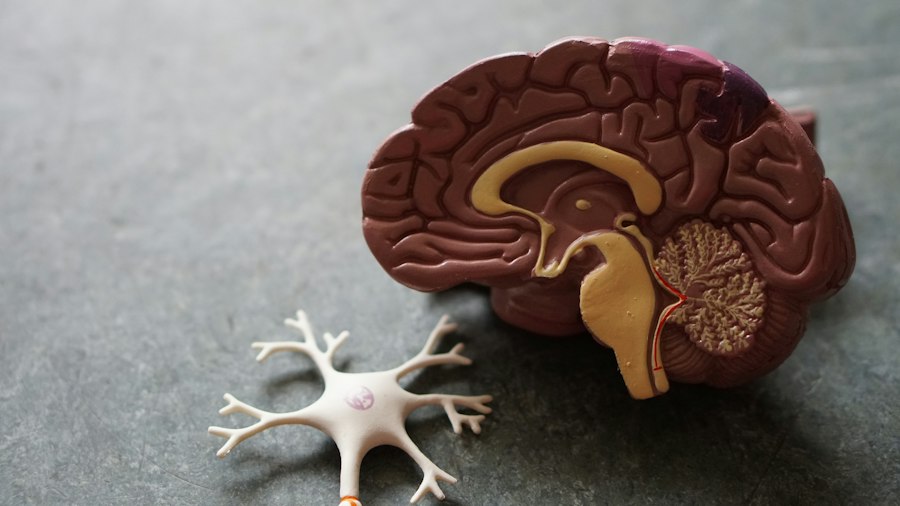
Clinical-grade AI that meets the standards of Company Nurse's registered nurse team.
Seven months from clinical protocol mapping to national deployment.
Pypestream's team worked with Company Nurse's clinical leadership to map the triage protocols for the 40 most common occupational injury types. Each protocol was encoded into the AI's decision logic and reviewed by registered nurses before deployment.
A clinical AI agent was designed with a persona calibrated for injured workers: calm, clear, and reassuring. The agent was trained to ask the right questions, in the right order, to reach an accurate triage decision, and to escalate immediately to a registered nurse for any interaction that showed signs of a serious injury.
Pypestream integrated with Company Nurse's case management platform, enabling the AI to create injury reports, assign case numbers, and route cases to the appropriate clinical team in real time.
A controlled pilot with 5,000 injury triage interactions. Triage accuracy was 94% vs. the registered nurse benchmark. HIPAA compliance was 100%. Employee satisfaction was 4.8.
National deployment across all Company Nurse channels. The AI now handles the majority of initial triage interactions, with registered nurses focused on complex cases and escalations.
"We told Pypestream the bar was simple: match our registered nurses, or we don't deploy. They matched our nurses. 94% triage accuracy. 67% reduction in unnecessary ER visits. And our nurses are now focused on the complex cases where their clinical judgment is irreplaceable. That's what AI-human collaboration looks like in healthcare."
Clinical-grade outcomes at scale.
94% injury triage accuracy vs. the registered nurse benchmark, meeting the clinical standard set by Company Nurse's leadership.
67% reduction in unnecessary ER visits year-over-year, saving employers an estimated $3.2M annually.
Average triage time reduced from 18 minutes to 3 minutes.
24/7 availability, including nights, weekends, and holidays, without additional staffing costs.
Employee satisfaction score of 4.8, higher than the human triage average.
Zero HIPAA incidents across all interactions.
Registered nurses redeployed from routine triage to complex cases requiring clinical judgment.
Your Competitors Are Already Deploying AI Agents.
The question isn't whether AI belongs in your customer operations. It does. The question is whether you build it right the first time.
No sales pitch. No long deck. Just a live look at what Pypestream has already built for companies like yours.